
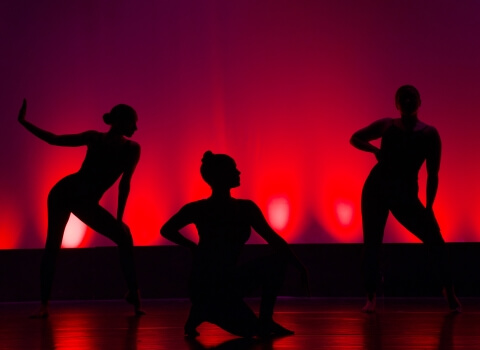
Every time you leave a theater after a dance performance, you hear comments like “they were beautiful,” “they danced wonderfully,” “they executed all those lovely figures with such ease”… And yes, dance truly is beautiful. However, reaching that point requires walking a path that – while wonderful, beautiful, and lovely – is paved with immense amounts of pain, sacrifice, misunderstanding, and very often, a major lack of support.
Dance – a sport that hurts physically and mentally
I will start with what we have all experienced, so it is the easiest to understand – physical pain. Every dancer prepares their body to perform things that, in most cases, are not natural to the body; in other words, we push the body to the edge and test its limits. Our body was not primarily created to “lift legs to the ears,” arch the spine, or anything similar, and yet, every dancer strives to be as good as possible at such feats. That hurts! Every dancer will say that stretching is a beautiful pain and that muscles always hurt in a nice way. But they still hurt. And that is the part that nobody sees. Injuries do not even need to be mentioned.
A moment of carelessness
When you push the body into “uncomfortable” positions and perform movements that are unpleasant to it, a single wrong breath is enough for an injury to occur. And what then? Then, besides the physical pain which is “seen” by the dancer but not by the spectator, comes the psychological, or mental pain, which very often even the dancer themselves does not see. Imagine finding yourself in a situation where you have worked for something for a very long time, struggled, endured discomfort, and when something positive is finally supposed to come out of all that, when you finally get the chance to show the results of your work, something happens and all your effort goes down the drain, and no one ever sees the results. That is what an injury is like for a dancer. The moment you realize that everything you have done is going down the drain because of what is very often a brief moment of carelessness, a glance out the window at the wrong moment is enough, and your landing ends in tears instead of the intended figure.
After the tears, the real pain sets in. The kind that pills cannot help. Of course, it is different for everyone, but when we gather it all into one place, we get a juicy burger of sadness, disappointment, anger at oneself because how could I have been so “clumsy,” careless, or something else, anxiety because you do not know when it will pass and what the consequences will be, a loss of confidence, a “blankness” in the head…

How to Help Yourself After a Dance Injury?
I found myself in such a situation, so I am speaking from personal experience. What eased all that pain I was feeling at that moment was concrete and verified information. No, I did not read Google. I went to experts, sought their opinions, and talked to people who had gone through at least a similar situation. If I had been going through all of that alone, I would probably still be fighting with myself today.
Support from parents, coaches, and closest friends is what “lifts you up” on the days when you are at your lowest. The understanding shown by my coach encouraged me as I continued my career. Somehow I knew they would be there, working with me slowly until we got back on the old track. And there is no need to even mention how important my parents were to me. Every single day, they reminded me all over again why I love dance, while at the same time giving me the space to show my pain.
Returning to the Studio After an Injury
After a long time, a wonderful moment arrives. They tell you that you are allowed to return to the studio and to rehearsals. You are filled with a beautiful feeling of happiness that lasts until the moment you actually step back into the studio. That is when a massive wave of anxiety hits. And it is the complete opposite of what you feel when they give you the green light to return. You walk into the studio, you see that everyone is still in shape, in fact, they have even progressed. And you? You are not where you left off; instead, you have gone many steps backward.
The plan
Besides that, the moment must come when you have to repeat the very thing that caused the injury. At that point, I felt like crying again, out of sheer distress and fear. From recalling everything I had gone through, to how it had all felt the last time. It is like when someone gets bitten by a dog and never wants to go near any dog again. It is the same with an injury. Together with my coaches, I broke down the exercises into the smallest details; it was precisely known which muscles were used and strengthened for what. That part moves at a snail’s pace, but my plan and the coaches’ knowledge helped me manage the anxiety and maintain motivation. Because when I saw where I was and where everyone else was in terms of fitness, I didn’t really have much of a desire to continue working and dancing. At the studio it was my coaches and friends, and at home, my parents.
They always gave me the space to talk about whatever I needed at that moment. Whether it was venting frustration over a workout that wasn’t good enough, or expressing satisfaction with what had been achieved. It wasn’t easy for them; they had to carefully weigh when to “push” me and when to dial it back and let me be, so as not to create even more of a burden. Now I can say they did an excellent job, but it certainly wasn’t easy for them at all. And by that, I mean throughout my entire time training, not just during my recovery. There is a fine line between maintaining a child’s motivation and creating an aversion to the obligations set by parents.
To date, I have gone through two major injuries like that; the minor ones aren’t even worth mentioning, as they are just part of the job description. What I have learned is that without support, concrete information, knowledge, and detailed plans, I wouldn’t be where I am today—even if those injuries had never happened. All-day rehearsals, going to practice when all your friends are going somewhere fun, sewing costumes, training in different parts of the city… all of this can very often be de-motivating, and it was the elements mentioned above that saved me from giving up.

What Helps Young Dancers?
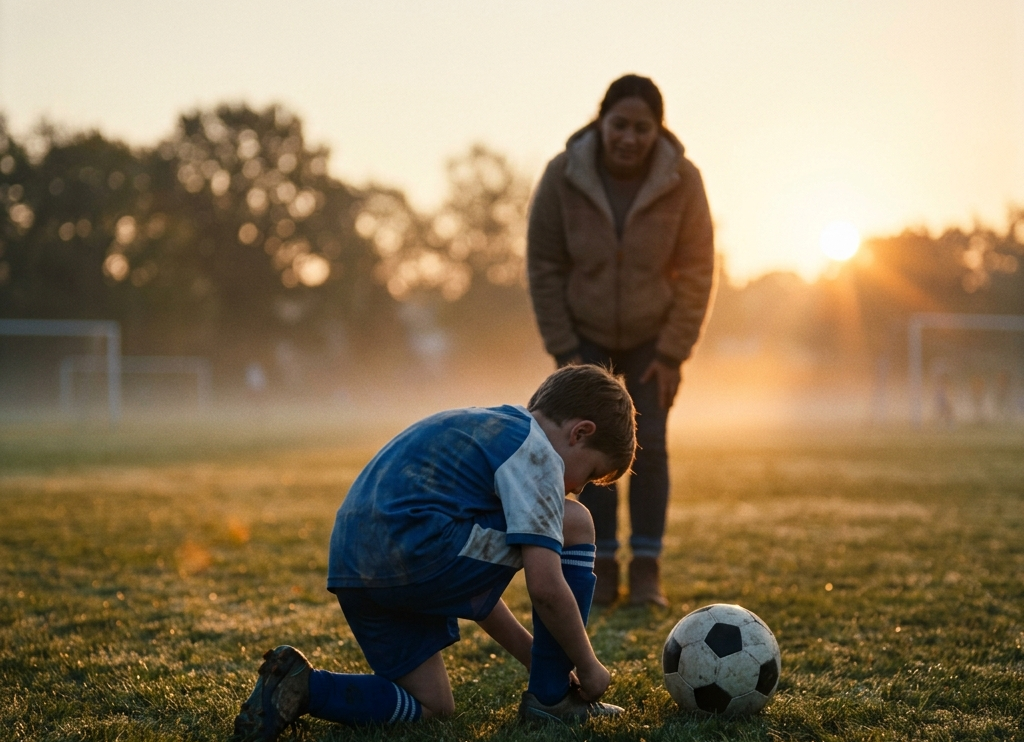
Today, from the perspective of both a coach and a psychologist, I always try to emphasize the importance of “presence” to the parents of my younger students. To let their little dancers show them everything they have learned, to get involved in making costumes, to follow them to performances, to simply be a support system. I know how much that meant to me, and through conversations with children, I realize it means just as much to them. Do not regret the time spent “sewing costumes.” You cannot even imagine how much that time can influence your child’s self-esteem, self-confidence, and motivation. But then again, parenting is the hardest job of all.
And that is why you should not let your good intentions lead you in the wrong direction and become a burden to your child. Parents know their children best, listen to them, give them the opportunity to tell you what they want. Sometimes this can be quite exhausting, when you listen to the exact same story after every single practice, learning the names of dance figures or finding out which boy or girl was in the front row. But that is the only way you will know how to make the right move at the exact right moment.
—
Mentalni Trening Blog guest: Nikolina Huđen, mag.