
Young athletes face competitive pressure, fear of making mistakes, and disappointment when they do not get playing time. We work on focus, emotional regulation, and building resilience that serves them beyond sport.
Individual and group program for athletes aged 10 to 16.

Young athletes face pressures that adults often underestimate: pre-competition nerves, fear of making mistakes, and comparisons with peers. Without timely guidance, these experiences can extinguish the love of sport.
Our program does not aim to turn children into champions. It helps them become more resilient under stress and anxiety, more focused, and more comfortable in sport: athletes who enjoy what they do, are not afraid to try again after a mistake, and know how to handle a loss.
Research shows that nearly 75% of children drop out of sports after the age of 13 (Ewing & Seefeldt, Michigan State University). Training becomes less fun for children, and competition introduces stress they don’t know how to handle.
If you notice that your child gets nervous before games, has a hard time coming back after a loss, or loses motivation after being criticized by the coach, these are the situations where mental training can help a lot.
Adapted to the child’s age and sport.
How to handle a loss, stress, and criticism.
Through play, not through pressure.
Preparation for training and competition.
Children learn through interactive and engaging content.
Building stronger bonds within the group.
The programs are designed to work with children of all levels – recreational athletes, competitors, talents. Sharing knowledge with each other, listening to examples from others who are involved in the same or different sports, helps children greatly.
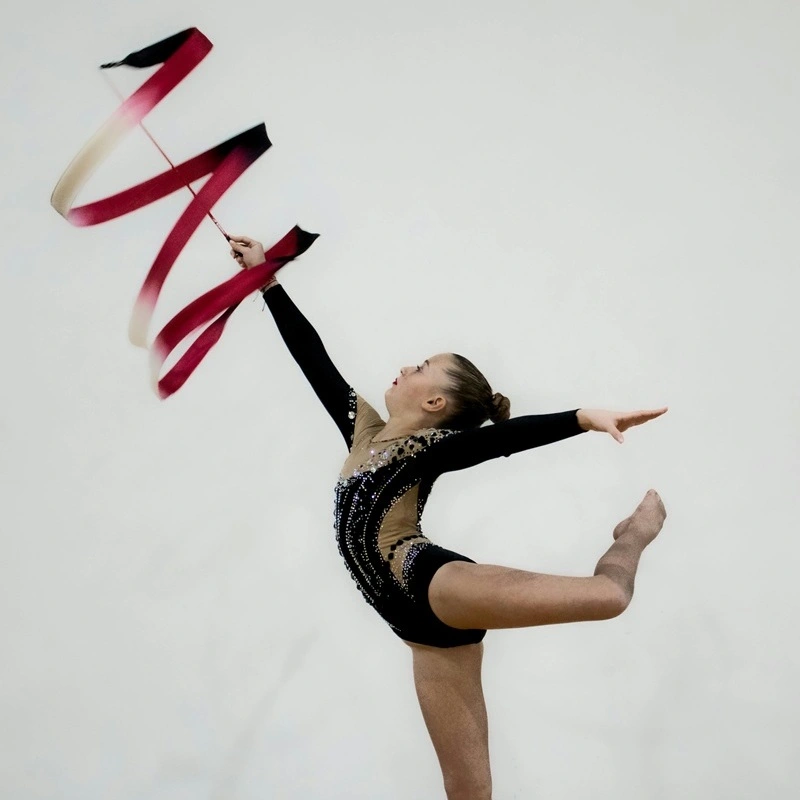
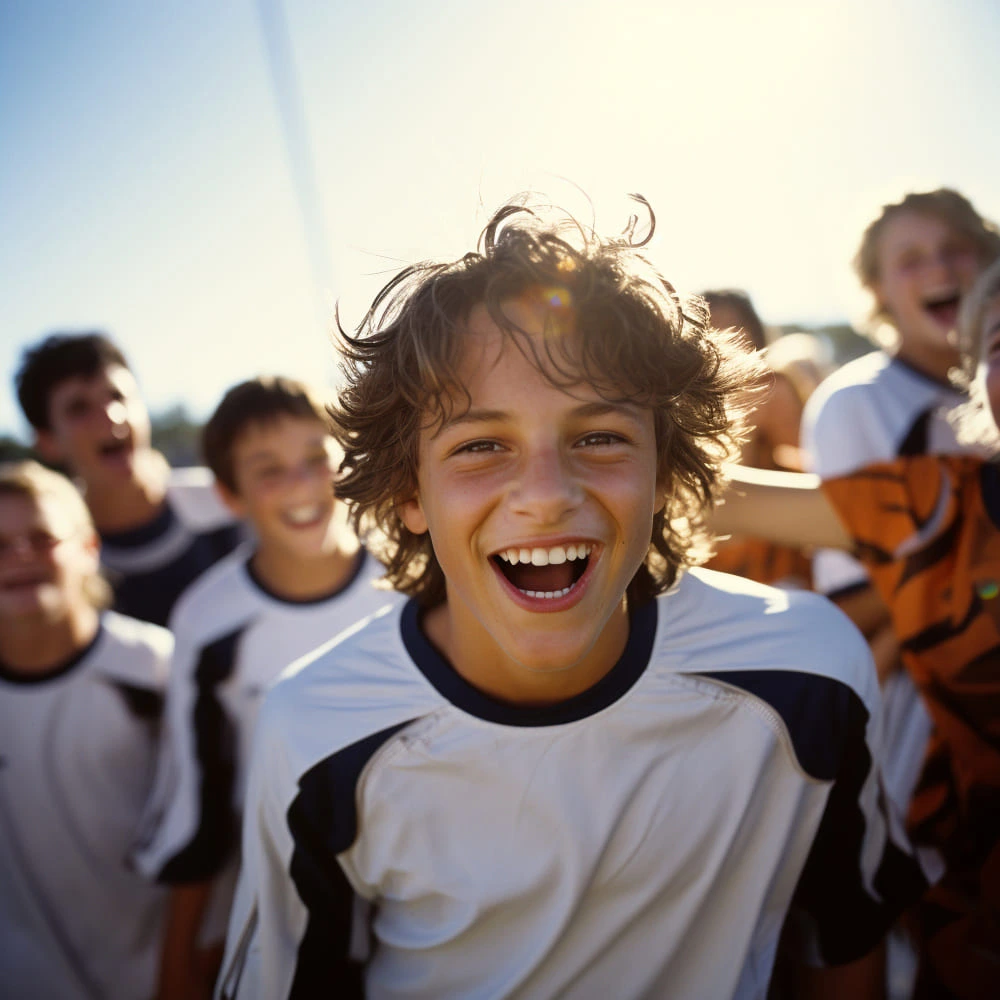

Our approach to working with children
Our sessions and workshops are not therapy. They are active, interactive workshops adapted to the child’s developmental stage, the sport they train, and the needs that parents or coaches have identified.
We adapt the approach to the age of the child, the sport he trains and the needs recognized by parents or coaches.
Specific advice for situations that every parent of an athlete experiences.
"Following the growth and development of my boy and the constant increase in his responsibilities, I realized that in addition to family support, my son also needed additional professional support. At that moment, we immediately started researching and, fortunately for us, came across information about Mentalni Trening."
"The atmosphere was great. It helped me concentrate on tournaments and get rid of my nervousness. The focus points and rituals helped me the most. I also use routines in practice before sparring. But these techniques also help outside of sports, especially at school."
"I had a great time. I came with no expectations. There were lots of exercises and materials that I can use in my work."
"I liked the visualization the most, it helped me the most. I was injured while going to Mental Training. During rehabilitation, the techniques we did here also helped me a lot."
The most frequently asked questions regarding the program of our small but great athletes. If your question is not here, please contact us directly.
We work with children aged 10 to 16. We adapt the content and method of work to their age, a younger child and a teenager do not go through the same thing.
No. Mental training is not exclusively for children experiencing difficulties. It is just as beneficial for a well-developing child who wishes to master focus and cope with the pressures of competition. Similar to supplementary conditioning training, you don’t do it only if you’re lagging behind physically.
For both. Our experience shows that children from individual and team sports progress equally, and when children from different sports work in a group, sharing experiences provides additional value.
The program combines group workshops at the club’s request and an individual approach, depending on the child’s needs and agreement. For the individual approach – during the introductory conversation we assess together what makes the most sense for your child. For group workshops at the club’s request – the plan and dynamics are worked out in cooperation with the club.
Short exercises that the child practices at home and at sports training, on average about 15 minutes a day. Continuity is what brings progress, so regularity is more important than quantity.
Significant, which is why we direct part of our work specifically to you. You receive concrete advice on how to provide support. The goal is for the child to have an ally at home.
If a child comes regularly and does the agreed exercises, parents and coaches usually notice the first changes after just a few sessions. Deeper, stable progress is built throughout the entire program.
Duration and price depend on the program format. If the club organizes workshops, we suggest that you direct your inquiry about the price per child to the club. For individual work – you will receive accurate information during a free introductory conversation, where we will propose a plan according to the age and needs of the child. Prices are also available on the pricing page.
"*" indicates required fields
We will be in touch shortly.