

And how it helps athletes?
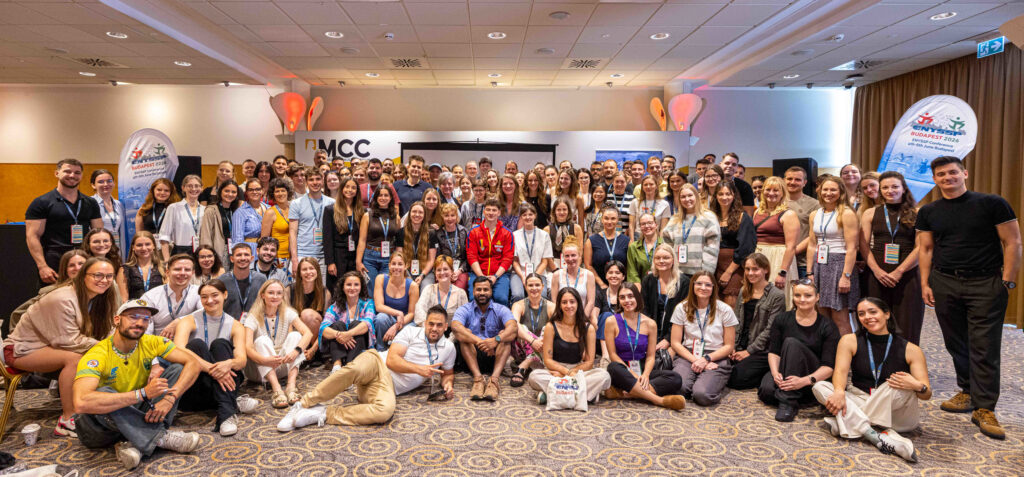
In early June, I was in Budapest for the 21st ENYSSP conference. Three days, over 120 participants from across Europe and the world, all centered around sports psychology. The face-to-face conversations and exchange of experiences with sports psychology professionals that you get there simply cannot be replaced by any webinar or scientific article.
What is ENYSSP?
The acronym ENYSSP stands for the European Network of Young Specialists in Sport Psychology. It was founded over twenty years ago with a single goal: to connect psychologists working in the field with those engaged in research and education. This connection is built through an active community, not just by reading literature. The annual conference is the backbone of that community, held each year in a different city – from Zagreb and Limerick to Tallinn, and from Bucharest to Budapest.
My first encounter with ENYSSP was in 2018 in Zagreb, when Mentalni Trening was the host and organizer. To some, it might sound crazy to organize a conference you had never even attended before. However, that was precisely when my love for ENYSSP began. Since 2023, I have been a member of the Managing Council in the applied department – the body that organizes and runs the network between conferences. This means Budapest was not just a gathering I attended, but a project I actively helped organize.
What actually happens at the conference?
This year in Budapest, we had the opportunity to hear from top experts who are pushing the boundaries of our profession:
- Peter Schneider (former sport psychologist at RedBull Leipzig, FC Augsburg, and FC Carl Zeiss Jena) lectured on working with elite athletes and the specific challenges they face within a club environment.
- Stefan Wagnsson (lecturer and researcher at Karlstad University) spoke about the role of parents in sport.
- Andrea Petróczi (professor at Kingston University London) presented on the topic of doping.
These are people who have dedicated years to these topics. Hearing them live, having the chance to ask them direct questions, and continuing the discussion over coffee after the lectures is completely different from just reading their papers.

The greatest value is not in the official program
The most useful parts of a conference are rarely found on the official schedule. They actually happen during those informal coffee break conversations with colleagues doing similar work in another country. It is fascinating to meet someone who is dealing with the exact same challenge as you, but has found a completely different solution. Or to talk to someone who has just finished research directly relevant to a situation you are currently handling in the field.
The ENYSSP conference has a special charm: plenty of students, a large number of early-career practitioners, and many accomplished experts who are leaders in specific segments of sports psychology. The atmosphere is far more relaxed than what you would expect from a professional gathering. Precisely because of this informal tone, these conversations genuinely turn out to be honest and open.
Why this is not a professional luxury, but a real necessity
Psychology is a discipline where knowledge changes faster than textbooks can be written. What we learned during college is not wrong, but it is simply no longer enough for the challenges we face today. Conferences are one of the ways we track where research is heading, which methods bring results in practice, and what has turned out to be a dead end. For a professional like a sport psychologist who works with competitors on a daily basis, this has direct practical consequences. Everything we know about emotion regulation, working with parents in sport, injury recovery, and how mental preparation is conducted directly shapes the quality of our work with an athlete as early as Monday morning’s meeting.
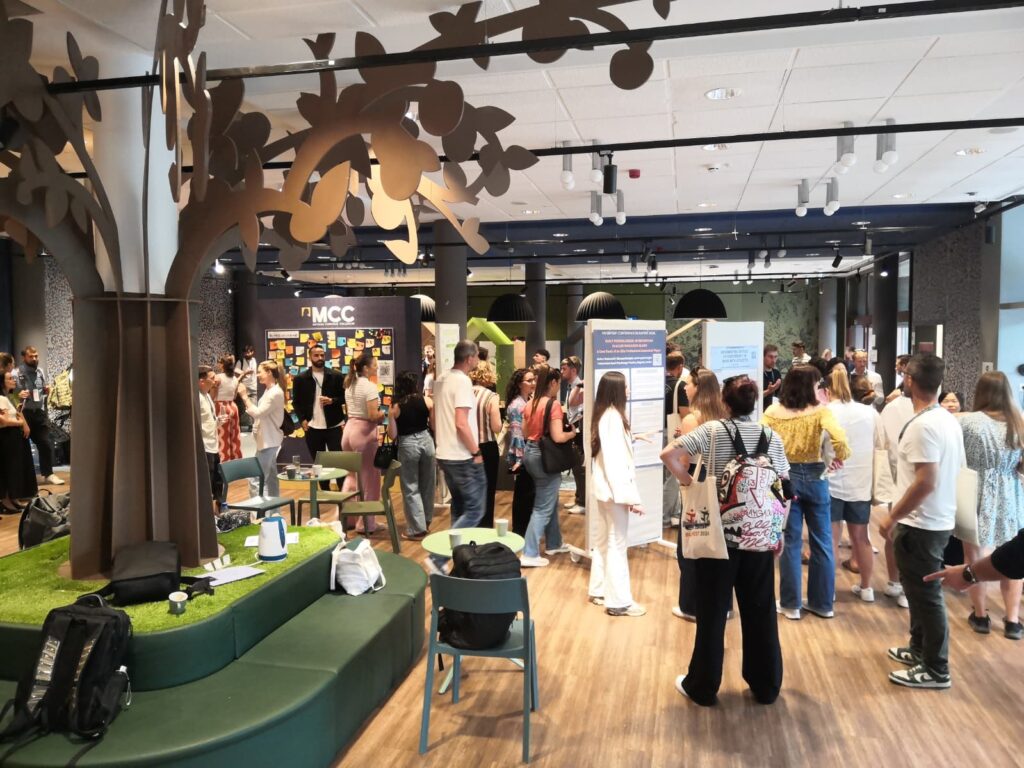
Furthermore, the ENYSSP network practically means we are never alone. When I encounter a specific or complicated situation where I am unsure how to proceed, I know I have a community of experts from different sports and cultures whom I can always call and consult. That is a big deal, especially for a profession that still has a relatively small number of sport psychologists in Croatia.
At Mentalni Trening, attending conferences and professional development are not separate from our daily work with athletes – they are a core part of that process. Everything we bring back from a conference is integrated into our work with teams and individuals. Sometimes it is a direct new technique, and sometimes it is just a shift in perspective on something we were already doing.
—
The next ENYSSP conference will take place somewhere in Europe in 2027—the location will be announced soon. Until then, if you want to know more about what sports psychology involves and what professional mental preparation with a sports psychologist looks like in practice, feel free to contact us through our website or write to us directly via email.