Sport psychology in esports is now standard practice.

Individual work with a player or roster: focus, decision-making under pressure, and reset between maps.

The program is done individually or for an organization. We will respond shortly.

eSport NAVI Valorant roster Mentalni Trening jdoo

At the S-Tier level, everyone is talented. But under pressure, you don't show talent consistently?

A professional esports player can spend up to 12 hours a day in training: technical, tactical, individual, and team. What is often missing from the prep routine is the component that matters most when it counts:

What happens when you lose a round, when your coach is putting pressure on you, when Major or LAN is right around the corner?

That is exactly what we work on in Mentalni Trening: concrete routines for resetting in the shortest possible time and refocusing on what you can control in the next map.

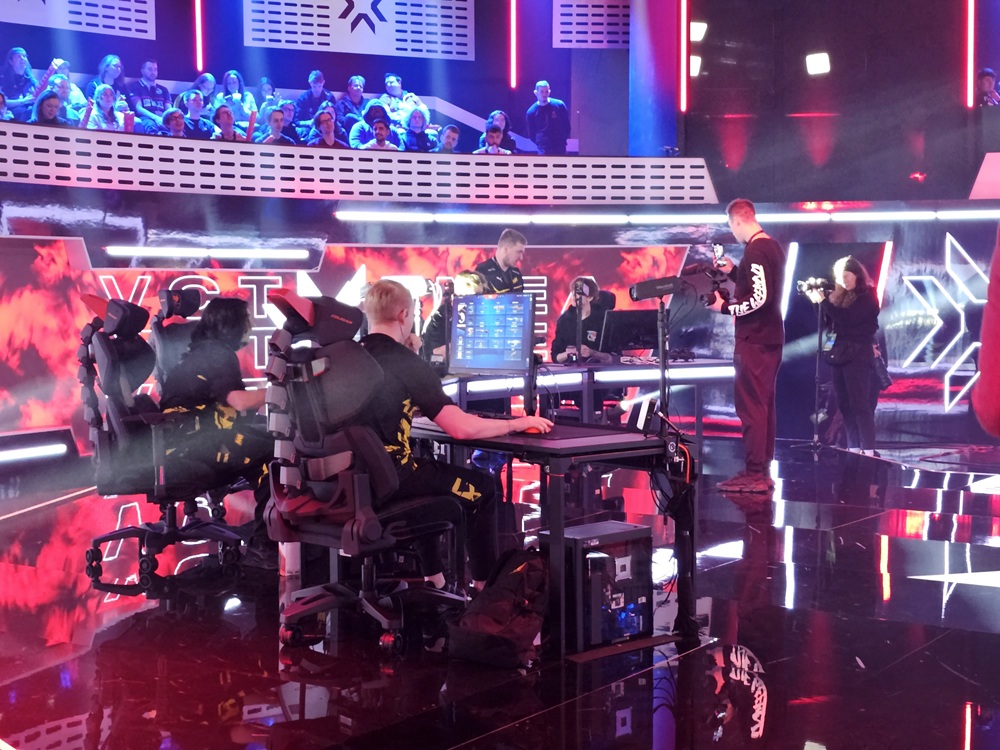
Specific advice and experiences from athletes.

Six challenges we address:

Burnout

Too much play, too little rest, no boundary between training and free time. Burnout is one of the leading causes of short esports careers.

Focus and concentration

Most matches last 2 hours or more. Maintaining a high level of attention, reading your opponent, making quick decisions, 5 maps in a row, requires high focus.

Tilt

Loss of emotional control after bad rounds or results. The ability to reset between maps is a trainable skill.

Pressure and performance

Playing in front of an audience, streaming, tournaments with large prize pools, expectations from the organization. Playing under pressure is no stranger to them. But pressure becomes a problem when it takes control of tactics. Mental training builds the ability to control pressure.

Team communication and cohesion

In a team that communicates poorly, even the strongest player cannot fully shine. We work on team dynamics, communication in stressful situations and common mental culture of the team.

Motivation through crises

Losing streaks, criticism on Twitter, roster changes, coach changes. Staying motivated and focused when results aren’t coming is a skill. And it can be learned.

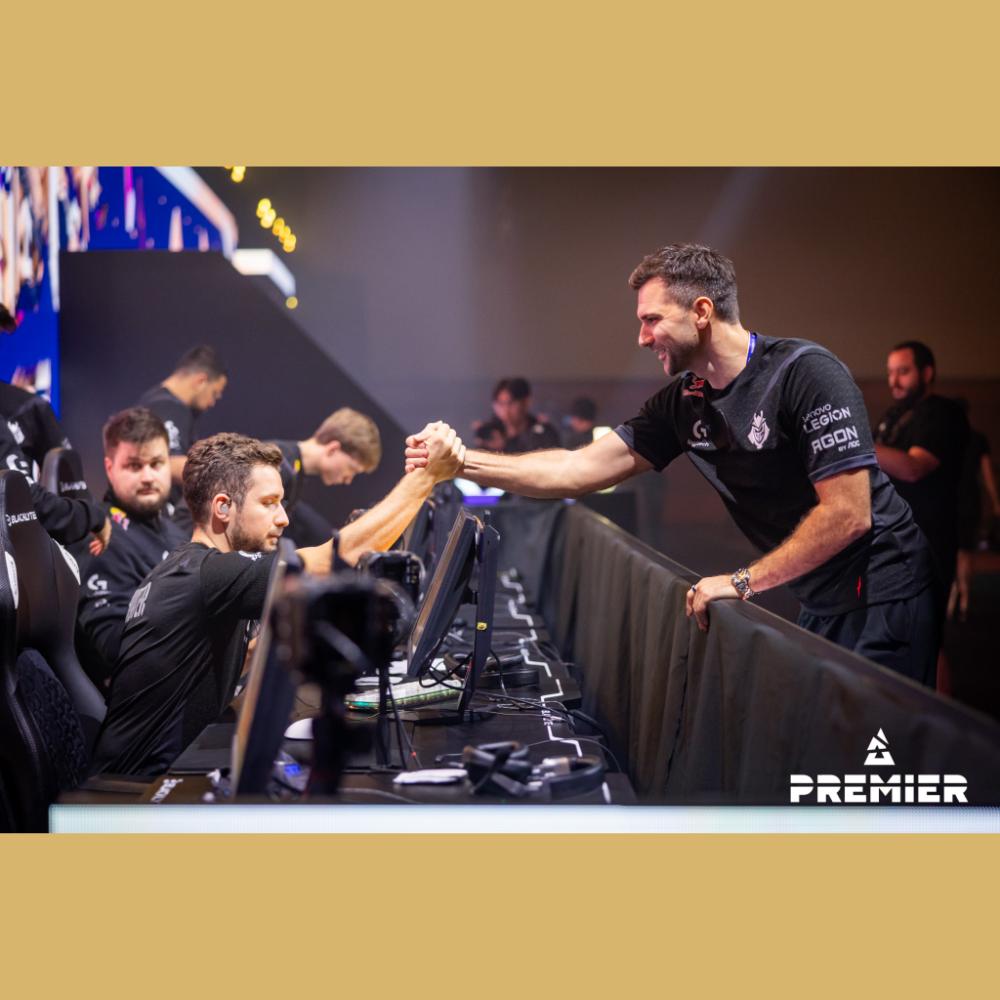
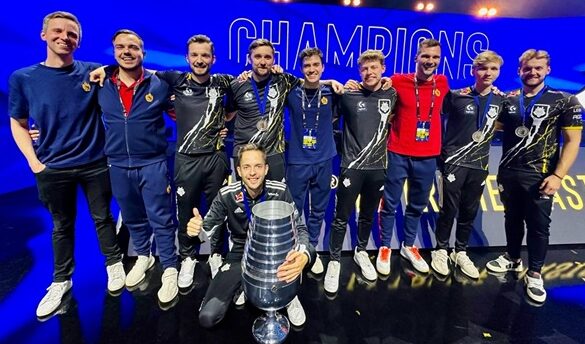
G2 CS roster and Luka Skrinjaric

Who we worked with

We are not new to esports.

We have been working with esports organizations since 2019. Some of the teams we have collaborated with in the role of sports psychologists:

Organizations that invest in the mental training of players understand that every percentage point of consistency affects the result, especially in the type of competition where the difference between the teams at the top is minimal.

We adapt to your rhythm.

We know that esports doesn’t work like traditional sports. Schedules are unpredictable, bootcamps are intense, players are scattered all over the world. Our work adapts to that reality.

Online meetings

Group workshops and individual discussions with players, coaches and management. We implement mental training techniques and work on current team challenges. It doesn’t matter where the players are physically located.

Bootcamp support

With a team 0–24h for full support during the period of intensive preparations. Monitoring of training, group workshops, individual conversations. We see how players function when they are under the greatest pressure.

Tournament

Team support on-site or online during the tournament. Match monitoring, mental state analysis between rounds, individual conversations as needed. We are there when it matters most.

Who is it intended for?

We work with players at every level, from emerging players to established pros, as well as teams and entire organizations. Whether you’re playing solo or managing a roster, the starting point is the same.

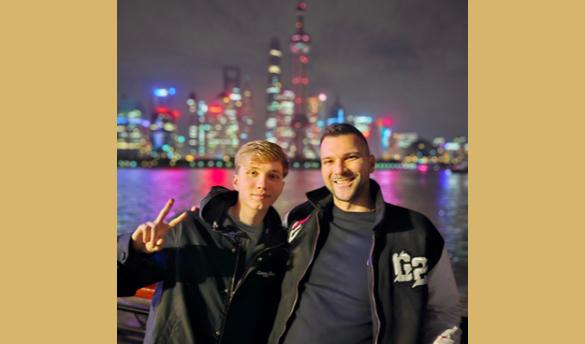
mONESY and Luka Skrinjaric

Not in the organization? No problem.

For individual players

Individual players who want to improve the mental aspect of the game: whether you’re streaming, playing ranked tournaments or preparing for a roster trial – you can work with us directly.

What do you get:

The introductory call only takes 15 minutes, and is completely free; carries no obligation. During the call, we answer the questions that are simply too long for an email.

G2 CS roster and Luka Skrinjaric

Your players are your capital. Protect them.

For organizations and management

Burnout, inner tilt, poor communication within the team, demotivation – all of this wastes resources, results, and roster stability. Mentalni Trening is a preventative measure for such situations.

We offer organizations:

Let’s talk about your needs and we will put together a plan and offer.

Frequently Asked Questions

The most common questions we hear in conversations with esports players. If your question isn’t here – contact us directly.

Directly – no. But indirectly – absolutely yes. More consistent performance, less tilt, better focus and better communication within the team directly affect the win-rate. That’s exactly what players say after working with us.

We work with all profiles. The mental challenges are the same but the pressure is different. Tilt is tilt, focus is focus and burnout is burnout, regardless of the level of play.

It depends on the goal. For acute problems (tilt, motivation), changes are visible after just a few meetings. For systematic building of mental strength, we recommend continuity in cooperation, according to the dynamics that suit you.

Online is our standard format for esports due to the very nature of the sport. But for bootcamps and tournaments, we come on-site and spend intensive time with the entire roster and staff.

Application for individual work or club request for team work:

In tournaments, and qualifiers, everyone has moments when they play below their level. We work to help you quickly reset and get back to focus.

We will respond shortly.