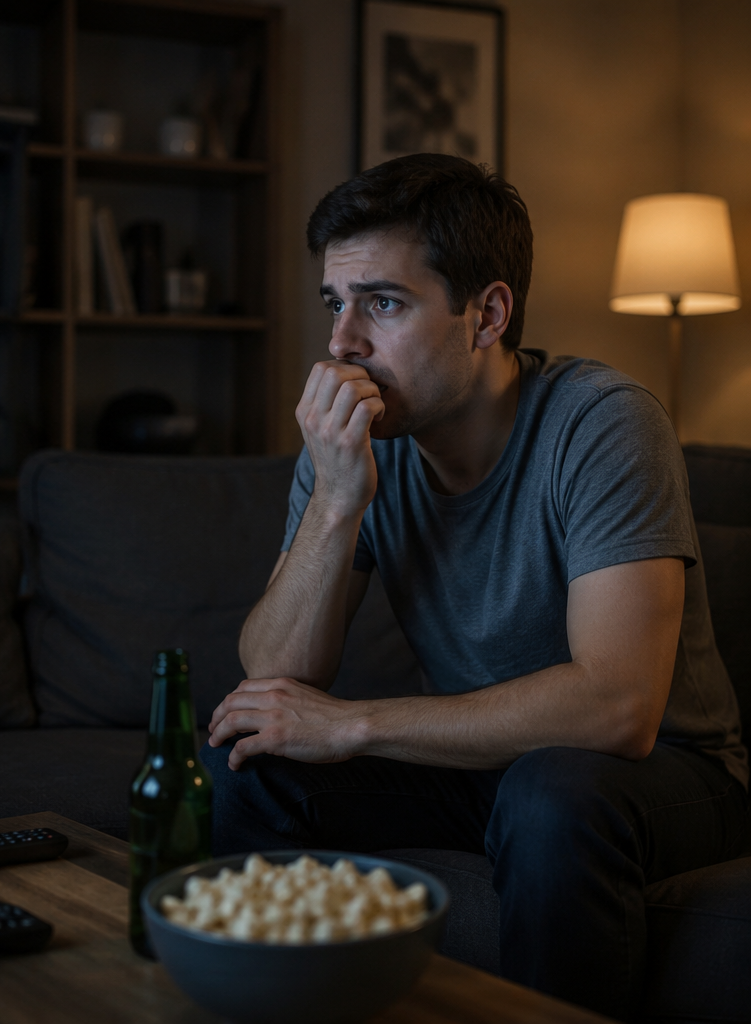

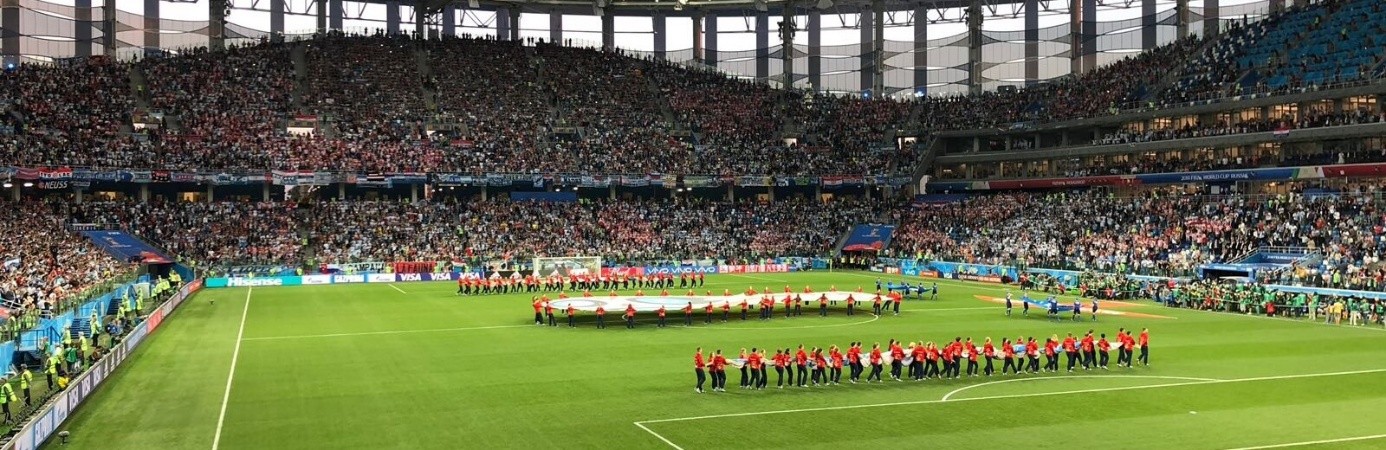
How many times have you heard that penalty kicks in football are just a lottery? A goalkeeper’s nightmare, but an even heavier burden for the shooter? A part of the game where cold luck decides the winner?
Lottery vs. Quality Preparation
If penalty kicks were truly just a game of chance, practicing them would be pointless. Yet, almost everywhere in the world, football periodization includes rigorous penalty training. The very fact that teams practice them proves they are not merely a lottery. Logic dictates that we improve with practice – but only if we practice the right way. That is where the secret lies. 😊
The Mental Demands of the Spot-Kick
Taking a penalty kick is an immense mental challenge. The stakes are sky-high, expectations are crushing, and the tension rises as fans cover their eyes. In those crucial seconds, the goal often appears to shrink in the eyes of the shooter and grow in the eyes of the goalkeeper. This is where an athlete’s mental readiness is laid bare.
Did you know? A study by Norwegian scientists revealed that the heart rate of a penalty taker during a major championship equals that of a warrior in a combat situation. Whether it is life-or-death or a scored-or-missed penalty, the body’s physical stress response is remarkably similar.
Thanks to our national football team, we have had our nerves tested multiple times. Fortunately, more often than not, those tense standoffs ended in celebration. But how can a footballer reduce this intense uncertainty? How do you increase the probability of scoring? As sports psychologists, we look past the technical mechanics and focus entirely on the mental game taking place between the shooter’s ears.

Penalty Routines: Beating the Opponent in Your Head
The ultimate weapon for any shooter is a reliable penalty routine – a ritual practiced in training and repeated precisely during a match. If you watch elite global athletes, you will notice they approach every penalty or free kick with the exact same behavioral sequence.
Rituals and routines provide certainty, control, and a sense of familiarity amidst chaos. They enclose the athlete in an imaginary psychological bubble, shielding them from external distractors – like thousands of screaming fans – and internal distractors, which are often the toughest rivals to beat.
These routines work in two ways:
- Direct Impact: They instantly sharpen focus, regulate emotional states, and boost confidence.
- Indirect Impact: They create long-term stability and a feeling of security, without directly affecting performance.
What Makes a Good Penalty Routine?
Pre-kick rituals are highly personal; blindly copying another player is rarely effective, especially if you only copy the visible behavior without understanding its psychological purpose.
The ultimate goal of a routine is to reach an optimal state of arousal before the strike. This state is individual: some athletes perform best with high adrenaline, while others need a low, calm pulse.
A Classic Example: Football history buffs will remember Davor Šuker’s famous penalty against Romania in 1998, where he visibly checked and controlled his pulse right before taking the shot to ensure he was in his ideal execution state.
Because replicating real-match pressure in training is incredibly difficult, athletes must heavily rely on visualization techniques to bridge the gap.
6 Steps for Mental Penalty Preparation
Many of these psychological steps occur simultaneously. Use this framework not as a rigid rulebook, but as a blueprint to build your personal routine:
- Control Arousal/Intensity: Utilize deep breathing or progressive relaxation exercises to lower your heart rate. Practice calming your nervous system in low-stress environments first, then gradually scale it up to competitive scenarios.
- Visualize the Execution: Run the penalty plan through your mind. Vividly “see” the ball hitting the exact pocket of the net from your own point of view. It also helps to recall a successfully scored penalty from your past to trigger a positive emotional state.
- Establish Focus Cues: Select 1 or 2 short, precise triggers to anchor your mind (e.g., “Keep over the ball,” “Crisp contact”). Avoid overthinking; stick to the bare essentials required for execution.
- Use Positive Self-Talk: Actively encourage yourself. While you can never guarantee the outcome, you always have a choice: will you let doubt creep in, or will you choose constructive confidence?
- Trigger the Automatic Response: Find a specific movement or keyword that signals your brain to stop thinking and start executing (e.g., a deep exhale, patting your thighs, a specific starting step). This shifts your brain from analytical thinking to muscle-memory automation.
- The Final Step: Celebrate the goal! ⚽️🎉
Try different methods, build your ultimate routine, and practice it relentlessly. The next time you step up to the spot, you will be glad you didn’t leave it to luck!