
Athletes often struggle with controlling their emotions and find it difficult to manage the events on the field. The game moves very quickly, the pressure is immense, expectations rise, and tension appears. All of this can lead to a drop in performance quality. In such situations, it is very easy to lose focus and forget important things such as the game plan or the goal we want to achieve.
Adopting behavioral routines
It is just one way athletes can help themselves.
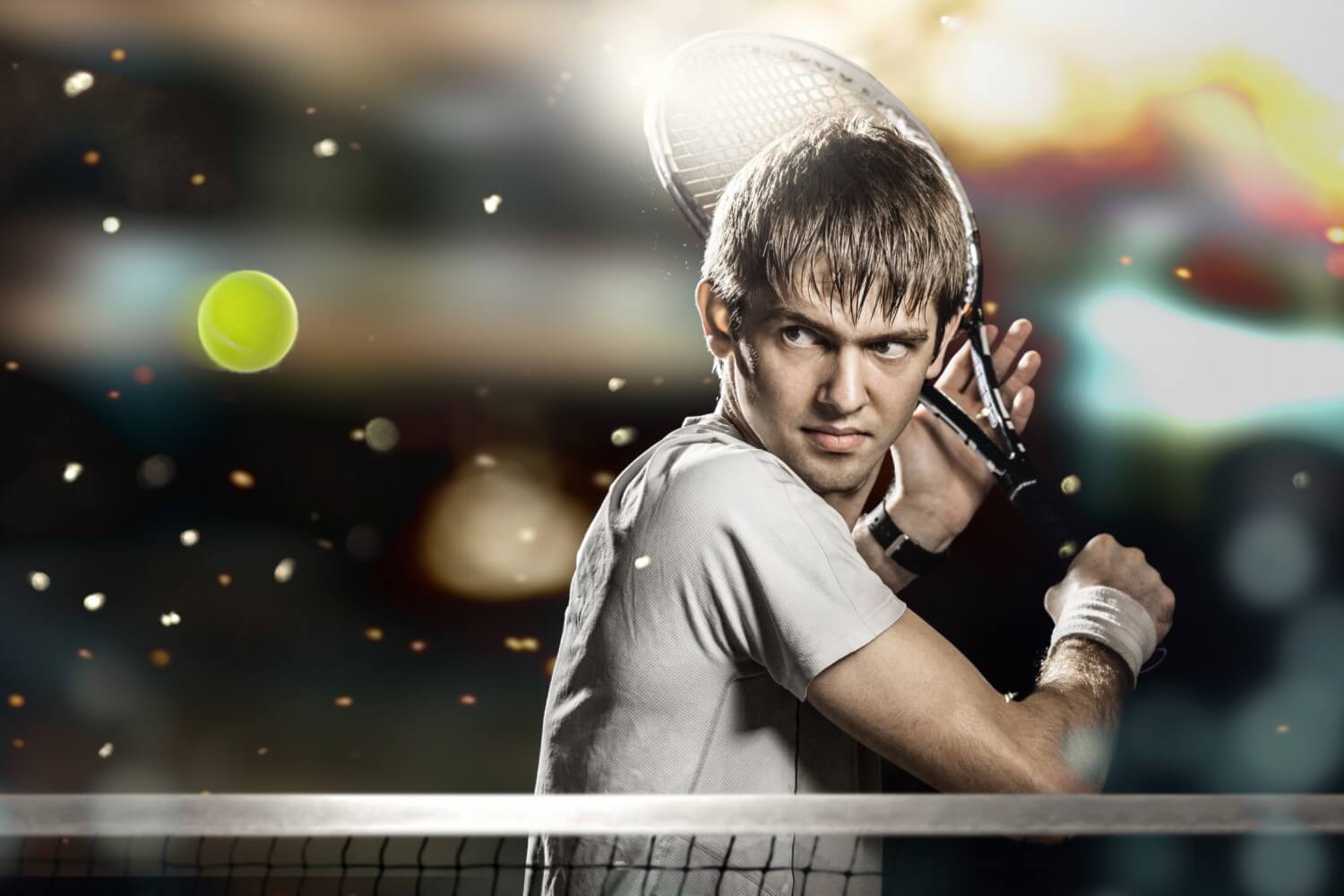
First situation: Marko is at the national championship, serving at 6:4. He feels the pressure on his serve and wants to close out the first set quickly. Rushing back to the baseline, he forgets to properly prepare. His first serve goes into the net. As he picks up the ball again, he feels just how important this point is, and his arm seems to tighten. Thoughts of a double fault take over, and instead of focusing on where or how to serve, he rushes his second serve, which also ends up in the net. Within minutes, he loses the entire set.
Second situation: Ivan is about to take a penalty kick. There is very little time left in the match, and his team is losing 1-0. Opposing fans are trying to distract him, and the noise is unbearable. He knows he has a chance to get his team back in the game. He feels the eyes of his teammates on his back, glances at the scoreboard, his coach, and the stands. He takes a poor run-up and shoots even worse. He misses—the match is lost.
Sports routines
After these examples of poor performance, let’s try to explain how Marko and Ivan could have reacted better in their situations.
Routines consist of brief sequences of focused, intentional actions carried out consistently during sports activities or between points, depending on the sport. Their purpose is to enhance performance efficiency on the field. Had Ivan and Marko adopted routines before serving or taking penalty kicks, they would likely have felt more in control, calmed themselves more effectively, and increased their chances of successfully completing their tasks.
Routines can be divided into: those with direct impact (which, due to their nature and purpose, leave a clear mark on some dimension of sports preparedness—focus , emotional state , confidence ) and routines and those with indirect impact (routines that do not directly affect performance, but whose execution creates a long-term sense of stability and security). An example of a direct impact routine is a tennis player who lightly jumps in place and takes the same number of deep breaths before each serve, which affects focus and serving performance. On the other hand, an example of an indirect impact routine is always listening to the same song during warm-up before a race, which enhances the sense of security and readiness.
Athletes without routines are more likely to be overwhelmed by pressure, focusing on distractions instead of the factors that enhance their chances of success. Developing and maintaining routines helps to block unwanted distractions and enhances concentration on the key aspects of the game.
One way to use routines is to divide them into four steps:
- Positive reaction – after completing a point or action, focus on positive self-talk, use body language to show composure, and calm yourself, whether the point was won or lost.
- Relaxation – direct your attention to your breathing and bring your heart rate under control.
- Game plan – stay focused on the present and on the key details that affect performance, directing your attention to the next point or action.
- Automatic movement – in any sport, a cue that tells the athlete it’s time to stop overthinking and start acting automatically.
At first, this may appear to be a lot to do in the limited time athletes have, but with practice, executing the routine becomes a natural part of the game.
Of course, this is only one method of developing routines. The most effective approach is the one that works best for the athlete. It is essential to remember that routines should be followed consistently in all situations, not just when the pressure is high. They help maintain focus on the factors critical for a successful outcome, even in stressful conditions.