

If we had put aside just 1 euro every time we heard the question from the title, we would probably have several hundred euros in our chest by now…
Countless times when we publicly promoted our job in schools, clubs, and institutions, at least one question like this popped up. We wonder how many more athletes think the same but did not dare to ask? This is definitively a burden that follows the job of a sports psychologist, but also psychologists in general.
In our society, unfortunately, there is still a stigma attached to people who seek psychological help. However, so that this article does not drift into over-generalization across all branches of psychology, we will stick to the one we practice.
Mental preparation of athletes
The mental preparation of athletes is definitively a very young branch of psychology, one of the last to be formed. Yet, in the last few decades, it has achieved exceptionally rapid progress. The reasons for this are a large number of studies, investment in sports, the immense popularization of sports, but perhaps most importantly, the progress that sports have experienced in all other segments. What we knew about the conditioning or supplementation of athletes 20 years ago and today is the difference between heaven and earth.
Visible difference at the elite level
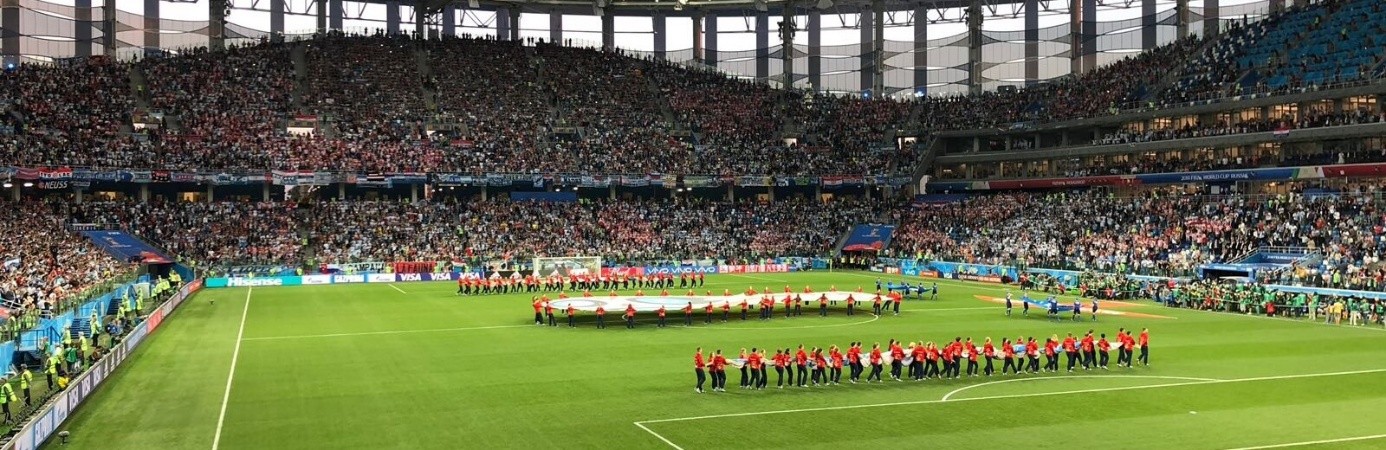
Consequently, athletes at the highest level, such as the finals of the Olympic Games or the World Cup, no longer differ so much in their superior technique, physical conditioning, or nutritional plan. Most are more or less on a similar level of readiness, while true differences can be seen in their mental toughness. For this reason, other areas of athlete preparation (we thank them) have also enabled rapid progress in mental preparation.
Nažalost, brz napredak i popularizacija mentalne pripreme na zapadu ne znači istovremeno i prihvaćanje u našim krugovima. Iz tog razloga, naša svojevrsna misija je i popularizacija područja, educiranje mladih ljudi koji su zainteresirani za učenje, razvoj, napredak i potencijalni posao u mentalnoj pripremi.
Working in sports psychology
Of course, everything starts with working with athletes. Satisfied and successful athletes are our best marketing and the best recommendation for getting new ones. They are the ones who help us break the societal taboo of the psychological preparation of athletes in the best possible way.
Some of the frequent questions and statements we encounter are: “But I’m not crazy, why do I need mental preparation?” “Well, I don’t have any problem, so why should I work on myself?” “My coach is not normal, not me.” “My friend is a national champion and he doesn’t go to a mental coach, so why should I?” ….and we could go on like this indefinitely.
Mental preparation
What we want to explain to athletes of almost all ages is that we do not even work with “crazy” people (whatever that means to someone). On the contrary, one of the primary motives why we chose this job is that the client population mostly consists of young, high-quality people with plenty of praiseworthy traits. Also, working on mental preparation is not solely and exclusively working on problems, but rather progressing in abilities. We often try to present it to an athlete in this way: “Do you start working on your physical conditioning because you don’t know how to run and it takes you 20 seconds to run 100 meters, or do you work on conditioning because you want to progress?”
Mental preparation is the refinement of abilities, polishing adopted methods, and learning new ways and techniques. Above all, mental readiness can and needs to be trained. We believe that all athletes understand what training is—a repetitive activity that is repeated over and over again, increasing the demands placed on the athlete for the purpose of refining old abilities and learning new ones.
Of course, mental preparation is not for everyone, nor does it suit everyone. Someone will naturally have adopted quality patterns of coping with the challenges of sports, and that is completely normal. Meanwhile, another athlete will need to seek professional support. We wonder, is there anything at all that is for everyone and suits everyone?
We hope that with this article, we have answered at least a part of all those questions we frequently encounter in our work, and that we have come closer to all of you who feel that this is one of the areas of preparation where you can still make progress. Quite often, mental toughness can be that thin line between victory and defeat, gold and silver, and sometimes even between glory and oblivion…
p.s. Another answer to a frequent question – NO, we do not read minds….but we know a lot of other things.