
The Olympic Games have just ended, and the Paralympic Games have begun.
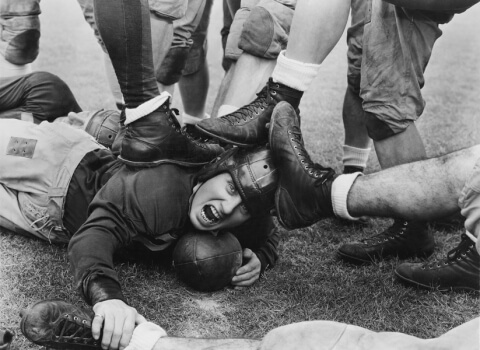
Injustice
The world’s greatest celebration of sports and all that is best in athletes, which triggers the admiration of people around the world, has come to its end.
However, every end brings a new beginning because the Olympic cycle for Tokyo is starting. Even in Rio, where rules should be respected to the greatest extent, where in terms of impartiality and fairness of refereeing everything should be at the highest possible level, we could witness occasional injustice inflicted on some national team members. And yes, that very same “injustice” will happen again in 4 years in Tokyo, and it has been repeating since sports and competitions began. Isn’t injustice in sports, then, a certain constant?
No one likes injustice, both in life and especially in sports. We believe that there should be no bias there. But, isn’t sport a representation of life? Is life always fair? For how many parents is one of the reasons they enroll their children in sports activities precisely to learn to fight and toughen up for life, regardless of whether they will be elite athletes one day or not.
At one time, our greatest ski coach Ante Kostelić Gips also said that he didn’t send Janica and Ivica into handball because he had had enough of bad refereeing. He wanted an impartial stopwatch to decide on the quality of his children. However, injustice can manifest in many forms – through a wrong decision by a referee, unfair treatment of a player by the management, club, or coach, or a lack of understanding for the needs of an athlete’s quality preparation.
Even an injury or illness can be viewed as a kind of injustice. Right at the moment when an athlete has timed their form for the biggest competition, it happens that they are limited by something that is not under their control at all.
Taking into account all that injustice is, we can assume that it truly is a constant that every athlete will face sooner or later. Smart people say that everything happens for a reason, and wise people believe and live in accordance with that conviction. The only problem is that this reason is not seen at the beginning of the path, but later. It is as if the universe or life wants to tell us something, but we are able to understand the lesson only later. To understand the lesson, to begin with, we need patience and reflection, followed by faith and wisdom.
Find Your Path
We believe that every athlete has their own path.
Also, every athlete has their own potential. By which path an athlete will realize their potential, no one knows from the start. What is important is that the athlete follows their own path, and does not try to copy someone else’s path. On that path, various injustices will come, some big and “heavy,” some small but painful. Someone will encounter a lot of injustice, someone less, but everyone will experience it. Ultimately, injustice is dependent on our perception.
What is extremely important, even for young athletes, is to learn to cope with injustice along the way. It is important that they can move past injustice and draw a lesson from it, sooner or later. What is the universal lesson of injustice in sports? Everyone must find the answer to that question for themselves.
Važno je da spo
It is important that through injustice, the athlete realizes that it does not happen only to them, that the entire universe has not conspired against them, that it will happen again, and perhaps most importantly, that everyone has the power to choose where to direct their attention. Whether we will see injustice or an opportunity in everything is the choice of each individual. What we can always choose is focusing on the things we can change about ourselves, better preparation, and the control of our thoughts and emotions.
“You never know how strong you are until being strong is your only option.”