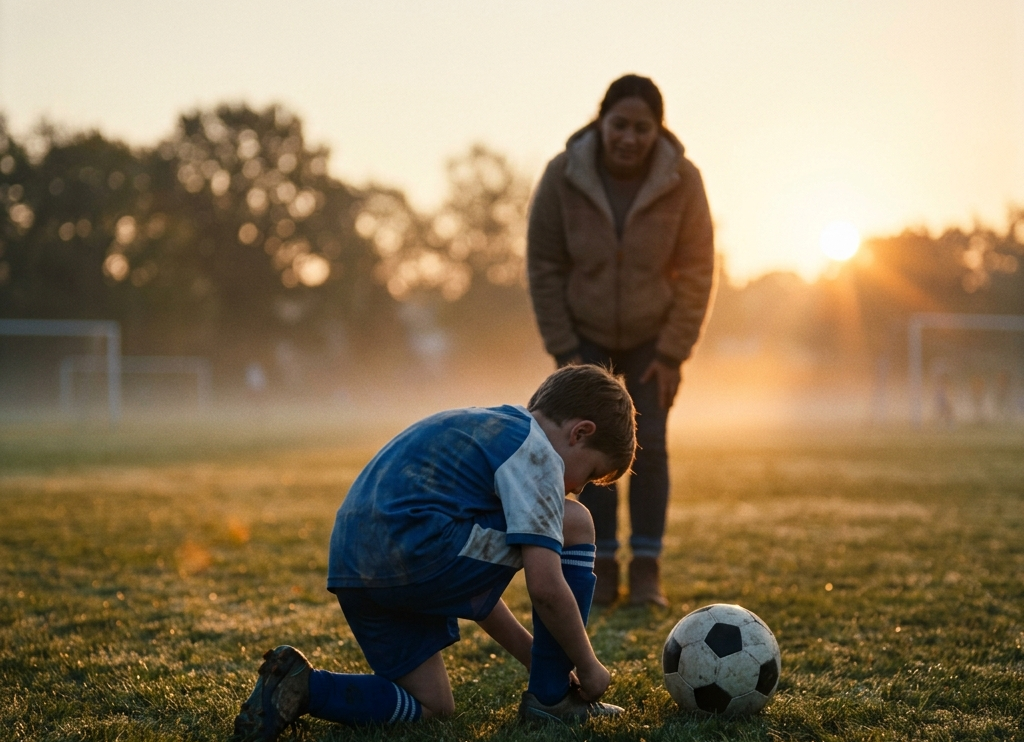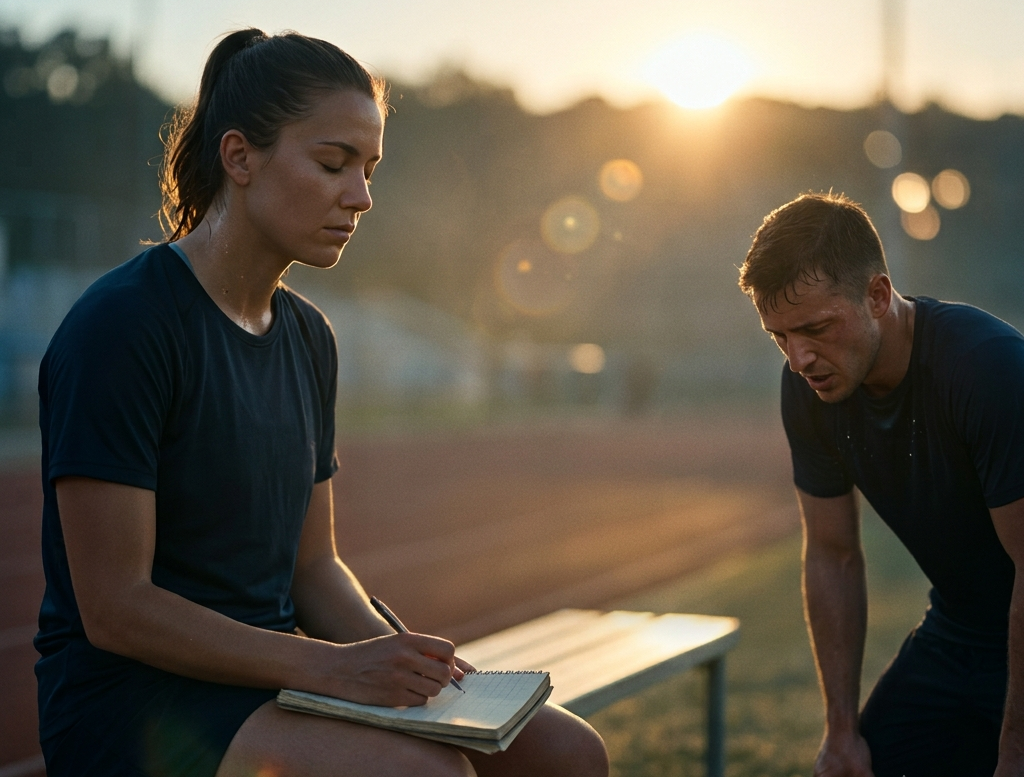


Being present in the moment means directing your awareness to the here and now. This can be highly empowering, as it is all about accepting every single moment of the day exactly as it is. This is the very core of mindfulness. In recent years, there has been a lot of talk and research, as well as a growing awareness, surrounding the positive benefits of meditation. But did you know that mindfulness can also be used in sports? Many athletes apply this practice in their careers and lives, but do you know what the exact benefits are, and what mindfulness actually is?

Mindfulness Meditation
Mindfulness is a basic human ability to be fully present, aware of where we are and what we are doing, and not overly reactive or overwhelmed by what is happening around us. It also refers to moments of pure awareness of our thoughts, emotions, or surroundings, but stripped of the meanings we usually automatically attach to them. During the practice of mindfulness meditation, thoughts are labeled as simple, fleeting states of the mind that do not require action. This creates “space” between a person’s perception and their response, allowing them to react to situations more objectively rather than reflexively. While mindfulness has its roots in Eastern cultures, today it is an effective, simple, and scientifically grounded method of meditation used in many areas of life, and it is completely UNRELATED to RELIGION.
Benefits of Mindfulness Meditation
Practicing mindfulness has many positive outcomes for an individual. Some of the main benefits include its positive impact on human functioning, improved quality of attention, and its ability to foster greater empathy and compassion. We can categorize these positive effects into cognitive, emotional, and physical.
It is important to point out that being a negative perfectionist is often not easy and can cause major problems for children and youth. What makes life difficult for negative perfectionists?
Cognitive:
- Veći fokus
- Fleksibilnost razmišljanja
- Smanjena neprestana okupacija negativnim mislima
- Kreativnost
Emotional:
- Empatija
- Otpornost
- Zadovoljstvo
Physical:
- Normalizacija razine kortizola – hormona stresa
- Normalizacija krvnog tlaka i pulsa
- Normalizacija potrošnje kisika
- Normalizacija ritma disanja

Connection between Mindfulness and Sports
Athletes spend a massive amount of time preparing physically and mentally for competitions, hoping to enhance their performance. However, for many athletes, these performances lack consistency due to the tension and pressure they feel, a lack of self-confidence, and many other obstacles. Athletes who experience sports- and competition-related distress can also suffer from feelings of worthlessness, physical/emotional exhaustion, and a diminished sense of accomplishment. Some athletes constantly replay past performances in their heads or worry about future plays, losing focus on the current situation as a result.
Athletes who practice mindfulness meditation have an increased awareness and acceptance of internal and external stimuli, which allows them to dedicate their attention and energy entirely to their athletic performance. Mindfulness can help athletes improve concentration, and consequently, their sports performance.
Furthermore, mindfulness can help athletes enjoy their sports more, reducing the potential for burnout. These findings suggest that by increasing focus, concentration, and attention—as well as helping athletes reduce stress and anxiety-sports burnout decreases and cognitive functions improve. In short, practicing mindfulness has a highly positive effect on athletic performance.
Specifically, practicing mindfulness can help you notice any intrusive thoughts, anxiety, physical tension in the body, or environmental conditions like the wind. You can then choose to respond to the stimulus (e.g., notice the wind and perhaps adjust the angle of your shot, or notice tension and relax that specific part of your body) or simply acknowledge those feelings and let them pass.
In other words, you recognize your thoughts and anxiety as simple mental events and sensations, understanding that these are temporary states that do not have to dictate your performance. Practicing mindfulness allows you to first ground yourself in your body and your surroundings, and then redirect your attention to what will help you function optimally.

How to “Train” Mindfulness Meditation?
Learn the simplest way to start practicing abdominal (diaphragmatic) breathing.
Practicing mindfulness involves various exercises. One of them, for instance, is the body scan exercise, which involves paying attention to individual areas of the body—such as the feet, knees, stomach, shoulders, neck, and arms—focusing on one area at a time. Another fundamental mindfulness exercise is the breathing exercise, which involves deep, rhythmic breathing. Practicing these exercises a few times a day can help develop greater awareness, and over time, you can transfer this awareness to specific tasks and activities. Pay attention to the specific sensations in each muscle as you stretch and notice your breathing patterns.
Once you have practiced maintaining mindfulness during activities like stretching, you can begin using it during actual sporting events.
Keep in mind that mindfulness is a skill; therefore, just like any skill in sports, it needs to be practiced regularly to be developed. To see results, practice mindfulness consistently.
But don’t just take our word for it—see what Novak Djokovic says when asked what helps him the most during matches + VIDEO.
—
Mentalni Trening Blog guest: Sara Strejček, univ. bacc. psych.