
Every athlete we’ve worked with so far tries or has tried to find the best possible way to prepare for a match. Some succeed in this very early, while others search for their ‘ideal preparation’ throughout their careers. Of course, there isn’t just one best way that is the only correct one. Since every athlete is different, there are as many ‘best ways’ as there are athletes. We hope that these steps will serve as guidelines for what you could do to adapt your pre-match routine and truly find what works best for you.

1. Preparation the Evening Before
If you’re involved in a sport where matches happen once a week, your preparation for the next match starts as soon as the last one ends. The entire week ahead of you is used to prepare for the upcoming match. You refine your technique, practice tactics, maintain fitness, and work on mental preparation.
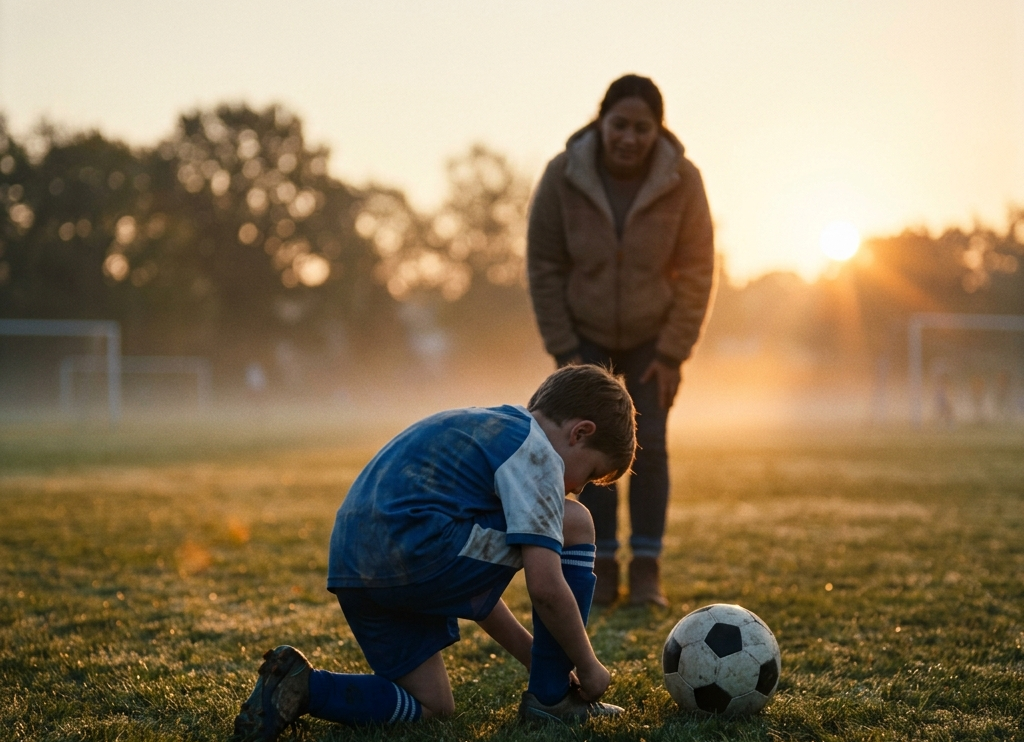
However, the final cycle of preparation before the match doesn’t start just a few hours before the game; it begins the evening before. This is the time you want to spend wisely. Prepare your equipment for tomorrow so that on the day of the match, you won’t waste time and nerves looking for necessary items. You know how much rest you need, so plan when it’s time to go to bed.
Also, before going to sleep, most of our athletes like to do some mental preparation exercises. Some athletes will opt for short visualizations of technical or tactical aspects of tomorrow’s match, while others will do some deep relaxation exercises to further relax and gently drift off to sleep.

2. Start Your Day in the Mood You Want to End It
It’s match day. The attitude you choose for today is crucial. What kind of day do you want to have? How do you want to present yourself? What do you want to demonstrate? What will guide you today?
Try to imagine the state you want to be in at the end of the match. That’s precisely the state in which you want to start the game. Remember that you are the only one in control of your thoughts, emotions, and behavior. If you want to come out as a winner at the end of the day, now is the time to start behaving that way.
3. Remember the Goals for the Match
Think about the team’s collective goals and your individual tasks that you want to accomplish today. Determine 2-3 focus points and stick to them.
If each player does their tasks well, the team progresses. Don’t burden yourself with analyzing all possible scenarios; instead, focus on a few areas that are under your control and that you can excel in. Clarity brings confidence.

4. Warm-up
During warm-up, find the zone of today’s optimal intensity that you can sustain for most of the match. Start warming up with lower intensity, then maintain your optimal activity intensity – remember how you feel when the intensity is optimal. How are you moving, how much energy are you putting in, what are you doing well?
After experiencing the optimal intensity for a few moments, push your body to maximum intensity and then return to the optimal one with which you start the match. The focus for the start of the game will then be ideal.
5. Get in the Zone
Focus on your strengths, think about the good training sessions you’ve had this week. Remember everything you’ve progressed in. The brain is a “control freak” – give it what it wants but be careful what you “feed” it with. Focus on what you can control, your emotions/behavior/thoughts that bring you confidence.
6. Body Language
Choose body language and facial expression that sends a message. Look confident, and you’ll feel it. There is an inseparable connection between the body, thoughts, and emotions.

7. Team Greeting
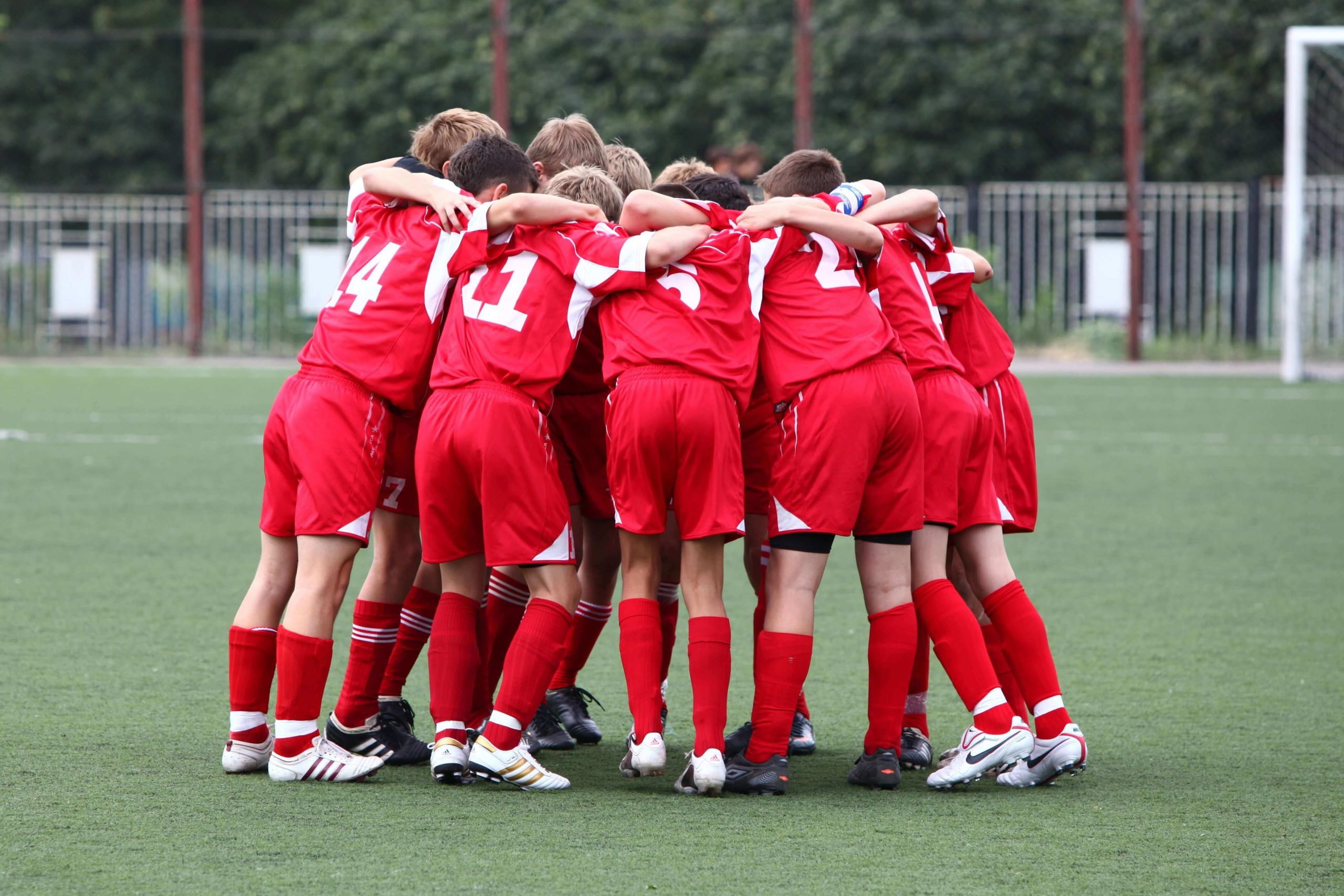
Before the start of the match, gather in the center or near the bench, hug your teammates, or shake their hands. Let everyone feel the energy of unity. You’re ready; transmit that to your teammates! The game begins.
As we said at the beginning, all the steps mentioned are just guidelines to help athletes enter the match prepared. It’s up to you to find your best way that helps you give your best in unpredictable circumstances.

Luka Škrinjarić, MSc in Psychology
Mental Training, Director