


To kick off this topic, let’s define what a team actually is—a group of people with a common goal.
A Team by Definition
However, a team is much more than just that. A team acts as one; all members feel a sense of belonging, are interconnected, and move forward together toward achieving their goal.
A very interesting definition of a winning team was given by the famous American football coach Vince Lombardi:
First, a player must know the basics of the game and what his role on the field is. Second, you have to tighten the screws on the players. That’s discipline. They must play as a team, not as a bunch of individuals. We don’t need primadonnas. Third, the players must love each other. Knowing the basics of the game and having discipline are often not enough. Every player must keep the guy next to him in mind and think: “If I don’t block this guy, he’ll break Paul’s leg. I have to do my job well so Paul can do his.” The difference between mediocrity and excellence lies in the feelings those guys have for one another. If the players are filled with a sense of solidarity, they will win!
What Lombardi is talking about is cohesion—meaning the ability of team members to work together toward achieving a common goal. We divide cohesion into two types: emotional and functional.
Functional Cohesion
Functional cohesion can be equated with teamwork. For this type of cohesion, it is essential that everyone has clear tasks and a well-defined role within the team. It is characterized by good cooperation among team members and a strong focus on task execution.
Emotional Cohesion
Emotional cohesion, on the other hand, can be equated with team spirit. This type of cohesion is marked by unity, identification with the team, and good relationships among teammates. Furthermore, when this type of cohesion is high, players often spend a significant amount of time together outside of the sports environment.
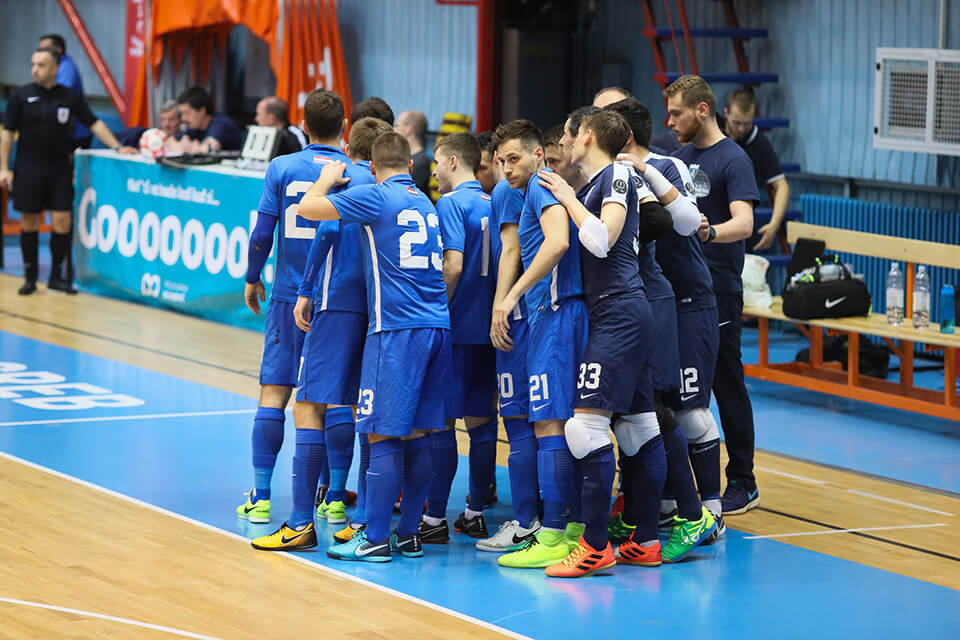
Why Club Teams Usually Beat National Teams
When we look at examples of elite clubs, we can see very high functional cohesion, but emotional cohesion isn’t always as high. We can often read between the lines of media reports that players are arguing or aren’t on good terms, yet they function exceptionally well on the field. We can often see the reverse scenario – where functional cohesion is lower but emotional cohesion is very high in recreational teams. There, we are talking about true groups of friends, and their primary goal is usually just socializing. Another possible example is national teams, where emotional connection is generally high, but due to a small number of joint practices, the level of functional cohesion is lower. This is also one of the reasons why, on the rare occasions a national team plays against a club team, the club usually wins because they are more in sync, regardless of the individual quality of the national team’s top players. Of course, the best results and ultimate elite teams are definitely characterized by high levels of both emotional and functional cohesion. Just how vital it is to maintain cohesion at a high level can be seen in the example of Sir Alex Ferguson, who “booted” Beckham out of Manchester United precisely because he was disrupting team cohesion and putting himself ahead of the squad.
How to Work on Functional Cohesion?
In order to increase functional cohesion, we can run a workshop with the team where everyone collectively defines the tasks and roles of each individual player. Often, certain tasks are taken for granted, and it is assumed that players clearly understand what they need to do, but it is exactly this “assumption” that leads to misunderstandings. Additionally, we can jointly set team goals for the season, map out sub-goals that help us reach those main objectives, and define daily tasks that athletes must complete to move closer to their primary goals.
How to Work on Emotional Cohesion?
To increase emotional cohesion, we can hold a workshop where we encourage athletes to express and share their emotions and thoughts with one another. We can also organize joint activities outside of the sports environment that help strengthen relationships among team members, such as structured team-building activities.
Which Cohesion Is More Important?
When talking about professional sports, functional cohesion is definitely something without which success is impossible. Players must know what their roles, tasks, and objectives are. However, what sets elite teams apart is not just high functional cohesion, but also high emotional connection, which manifests as unity and the mutual support teammates provide to each other. You have surely read about teams and coaches who, in addition to perfect synergy on the field, managed to instill a sense of mutual accountability and a feeling of belonging, ensuring players would do anything for one another.
Group processes within a team are highly complex. Start by recognizing your team’s strengths and weaknesses, and don’t be afraid to organize a team meeting to ask simple questions—even if you might get unusual answers. Sometimes, that is far more important and useful than running another practice. Work on your team’s cohesion and do not leave this aspect to chance.