
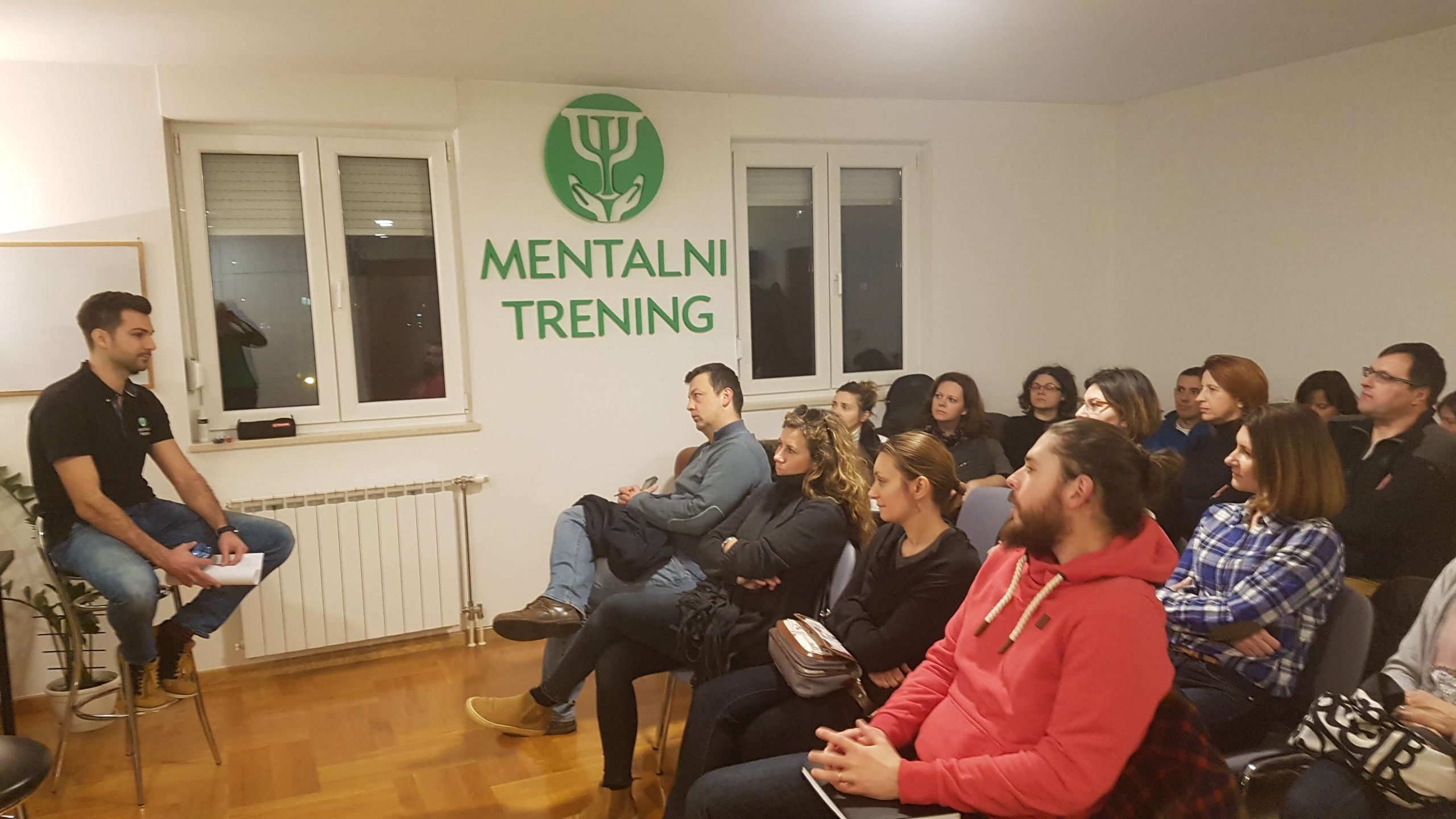
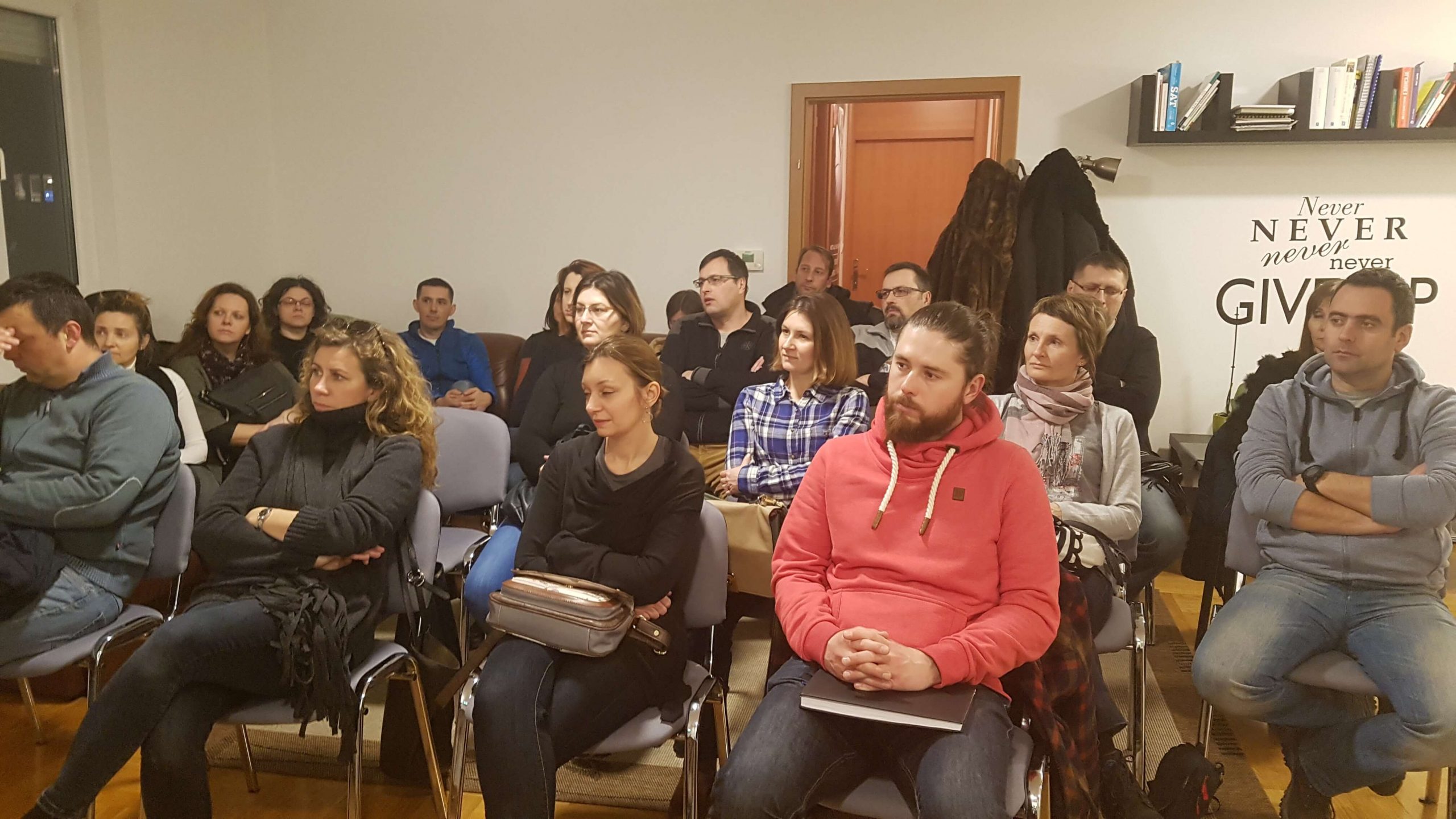
 Recently, as part of the 11th Psychology Week in Croatia, we held a lecture for parents of youth athletes on the topic: How Parents Build an Athlete’s Self-Confidence Through Upbringing. We were absolutely thrilled by the level of interest this lecture generated. Our office was packed to the brim, but we managed to fit everyone who arrived! 🙂
Why Specifically Parents and Self-Confidence?
The reason we chose to design a lecture specifically for parents is that we frequently witness how much parents struggle with how to approach their child athlete. We can confidently state that parents always want nothing but the best for their child, but that is not always easy to achieve. The goal of our lecture was to provide parents with the tools they need to help themselves, as well as their children, in building self-confidence.
Children’s Self-Confidence in Sports
The theme we focused on was self-confidence – specifically, how to build it. The shortest path to high self-confidence is to be the best and to win constantly, but it is also the hardest path. In most cases, it is completely impossible. That is why we talked about how to build self-confidence in children step by step, from an early age. We touched upon topics regarding the relationship with the child, communication, and how to work on improving both. We provided answers to questions such as: “What should you say and how should you adjust your communication before, during, and after a competition? Where should you direct your child’s focus? What communication mistakes do parents commonly make, and how do you build a good relationship with a child in sports?” Additionally, we highlighted the most common phrases children say when things don’t go the way they envisioned, and how to react to them.
The lecture was attended by parents representing various sports and age groups. What we found exceptionally rewarding was that they didn’t just sit and listen; they engaged in discussions, asked follow-up questions, and shared their own examples. We did our best to provide as many answers as possible, but as we told them – we don’t have a magic recipe for success, only tools that can help if they are used diligently.
A photo from the latest lecture with one of the lecturers, Luka Škrinjarić
The Best Intentions Don’t Always Bring the Best Outcomes
Out of an overwhelming desire to help a child, it is easy to engage in behaviors that ultimately end up causing more harm than good. Of course, a parent’s desire is always the same—to be the best possible support system and to provide the child with everything they need. Therefore, parenting and upbringing during this period are incredibly important, because this is the time when we shape children into individuals, instilling all the virtues and athletic values we want them to acquire through sports.