

Parents often become worried when they hear a coach shouting during practices or competitions. Also, many children, when asked why they want to quit sports, say, “the coach is always yelling.” And indeed, a great number of coaches tend to shout. While some children pay no attention to it at all, others are very sensitive. How can you protect your own child and help them in these situations?
The first step
First, talk to your child—do not just assume how they feel or how they perceive the coach’s tone of voice. Many children rationally explain away the coach’s yelling and perceive it as completely harmless or even motivating. Ask your child what the coach is shouting, in what situations, and how often it happens. Keep in mind that a child’s perception of the coach’s yelling can change, so communicate with them regularly and monitor whether your child’s attitude toward the coach and sports is changing.
Be sure to take into account the “type” and “manner” of the yelling. If it occurs constantly and often involves insults or humiliation, there is NO EXCUSE. Coaches are much more to children than just a person who runs their practices, and that comes with a huge responsibility. What and how they communicate with children is extremely important. If a coach yells frequently, aggressively, and disruptively, consider removing your child from that environment. There is no justification when a child is constantly made to feel bad or singled out, or when a coach’s yelling creates a “knot in their stomach.”
Separate what was said from how it was said
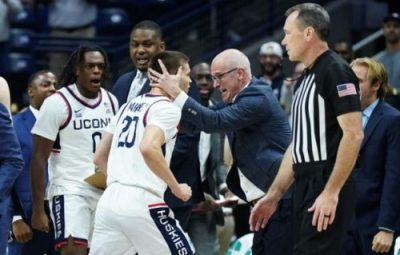
To protect your child, explain to them that the coach is also just a human being who is sometimes overwhelmed by emotions. Emphasize to your child that they are not personally responsible for the coach’s reactions. Also, help them separate the content of the message from the way that message was delivered. Sometimes coaches say very useful and good things in the wrong way. Ask your child what they think about what the coach said. Check whether they understand the message and the content, or if they are focused on the way the message was delivered.
If your child is more sensitive to criticism, they might take everything that was said very personally. Help them separate their current performance from who they are as a person. Even the best athletes have bad days, months, and even years. Help them understand that making a mistake does not mean they are a bad athlete. Likewise, just because the coach yelled does not necessarily mean they are a bad coach.
Not all yelling is necessarily bad
However, keep in mind that not all yelling is harmful. If it happens occasionally, in the “heat of the moment,” and is aimed at commenting on performance and effort or drawing attention to key things on the field—rather than at the child themselves—yelling does not have to be bad. Sometimes it can help athletes focus, snap out of it, or simply hear what is being said to them. Children often tell us that a coach’s yelling motivates them in particular and shows them that the coach cares about their game and performance. Sometimes yelling is just part of a motivational style, and children perceive it as such. In any case, you know the old saying—”Assumption is the mother of all…” so do not assume; check and ask.